
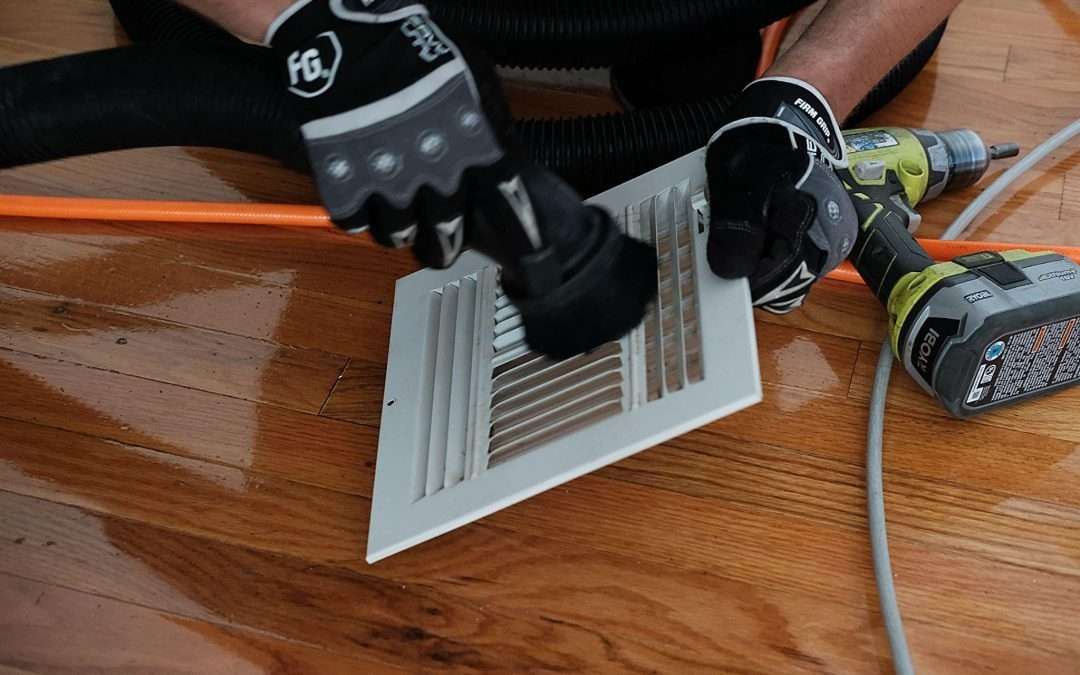
How Can You Detect Clogged Air Vents in Your HVAC System?
Your HVAC system works hard to keep your home comfortable year-round, but it relies on proper airflow to do its job. When vents become clogged or blocked with dust, debris, or other blockages, your system can’t deliver heated or cooled air efficiently. Not only does this impact your comfort, but it can also increase energy bills and put unnecessary strain on your system.
So, how can you tell if you have blocked air vents? Here are the most common signs to watch for.
1. Weak or Uneven Airflow
If certain rooms in your home feel stuffy while others are comfortable, clogged air vents or ducts could be to blame. Place your hand near the vent—if the airflow feels weak or inconsistent, something may be obstructing the passage.
2. Higher Energy Bills
When airflow is restricted, your HVAC system has to work harder to maintain the set temperature. This extra strain often shows up as unexpected increases in your utility bills, even if your usage hasn’t changed.
3. Hot and Cold Spots
Blocked air vents disrupt the balance of air distribution. You may notice some areas of your home are too hot while others remain chilly, no matter how much you adjust the thermostat.
4. Dust Buildup Around Vents
If you see dust collecting on or around your vent covers shortly after cleaning, it may be a sign of poor airflow or buildup inside the ducts. Clogs force air through smaller openings, which can push dust back into your living space.
5. Strange Odors or Noises
Clogged air vents sometimes cause unusual smells—like mustiness from trapped moisture or dust burning when the furnace kicks on. You might also hear whistling, rattling, or banging sounds as air struggles to move past a blockage.
6. Reduced HVAC Performance
If your home takes longer to heat or cool, despite your HVAC system running constantly, restricted airflow from clogged or blocked air vents could be limiting performance.
What Causes Clogged HVAC Vents?
● Dust and debris buildup over time
● Furniture or rugs blocking vents
● Closed vents in unused rooms
● Pest infestations inside ducts
● Moisture or mold growth
How to Fix and Prevent Clogged Air Vents
● Inspect and clean vent covers regularly.
● Keep vents open and unblocked by furniture, curtains, or rugs.
● Replace HVAC filters every 1–3 months to prevent dust from traveling into ductwork.
● Schedule professional duct cleaning if you suspect buildup or mold inside the system.
● Book seasonal HVAC maintenance to ensure your system is running efficiently.
Keep Air Flowing Freely
Detecting clogged air vents early can save you from higher energy costs and costly repairs while keeping your home comfortable. If you’re noticing weak airflow, dust buildup, or hot and cold spots, it may be time to have your HVAC system inspected.
Contact A/C Care today to schedule an HVAC maintenance appointment—we’ll make sure your vents and ducts are clear, and your system is delivering clean, efficient airflow all year long.
Request Service Now